
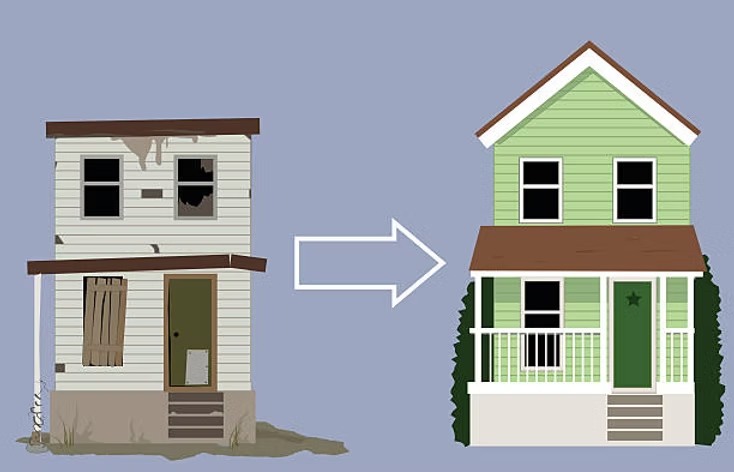
The fix-and-flip strategy is one of the most dynamic and hands-on methods in real estate investing. It involves purchasing a distressed property, renovating it to increase its value, and quickly selling it for a profit. While it offers significant returns, it also requires careful planning, execution, and market knowledge. In this blog, we will dive into the fix-and-flip strategy, including how to find the right property, estimate costs, and maximize your return on investment (ROI). Let’s bring the strategy to life with a detailed example.
Fix-and-flip properties appeal to investors looking for short-term gains, especially in today’s market where low inventory and rising home values create lucrative opportunities for quick equity creation. Unlike long-term rental strategies, this approach focuses on rapid equity creation. The ability to transform a property quickly and sell it at a premium offers both financial rewards and personal satisfaction for those who enjoy hands-on projects.
Imagine buying a distressed 3-bedroom home in a suburban neighborhood for $150,000. You allocate $50,000 for renovations and budget another $10,000 for closing costs and holding expenses. After 4 months of hard work, you sell the property for $260,000. Your profit breakdown looks like this:
This equates to a 25% ROI on your total investment of $200,000.
The success of a fix-and-flip project begins with finding the right property. The goal is to buy low, add value, and sell high. Here’s how to spot a winning opportunity:
Look for homes that are undervalued due to cosmetic issues, outdated designs, or neglect. These properties often have “value-add” potential that can be unlocked through renovations.
Choose areas with strong demand and rising property values. Generally accepted neighborhood classifications can guide your choice:
Look for these indicators:
Tip: Tools like PropIQ can provide insights into neighborhood trends and help you spot undervalued opportunities.
Accurate budgeting is critical to avoid overspending and ensure profitability. Here are the main cost categories:
Include the down payment, loan fees, and closing costs.
Focus on upgrades that provide the highest return, such as kitchens, bathrooms, and curb appeal.
These include mortgage payments, utilities, and insurance while the property is under renovation.
Account for real estate agent commissions (typically 5-6%) and closing costs.
Successful flippers focus on high-impact, cost-effective upgrades. Prioritize renovations that boost market appeal and align with buyer expectations in the area.
Renovations should align with the neighborhood’s expectations to avoid over- or under-improving. In A-class neighborhoods, focus on luxury finishes like quartz countertops and spa-like bathrooms. In B-class areas, prioritize modern yet cost-effective updates. C-class properties benefit most from basic functional improvements.
PropIQ’s image-based analysis and location intelligence tools can identify areas where specific renovations will provide the highest ROI. For example, the platform can analyze photos to recommend kitchen updates in B-class neighborhoods or exterior improvements in C-class areas, helping investors make data-driven decisions.
Once renovations are complete, it’s time to market and sell the property. Here’s how to maximize your profit:
Research comparable properties (comps) to set the right price. Aim to price slightly below market value to attract multiple offers.
Invest in professional staging and photography to showcase the property’s potential. Highlight key features like a remodeled kitchen or new flooring.
Sell during peak seasons, such as spring or summer, when demand is higher.
Tip: Platforms like PropIQ can streamline the pricing process by analyzing comps and market trends.
While the fix-and-flip strategy can be lucrative, it comes with risks:
Solution: Add a 10-20% buffer to your renovation budget.
Solution: Focus on areas with stable demand and avoid overpricing.
Solution: Work with experienced contractors and have a contingency plan for unforeseen issues.
The fix-and-flip strategy offers a rewarding pathway for real estate investors willing to take a hands-on approach. By finding the right property, managing costs, and executing strategic renovations, you can turn undervalued homes into profitable investments. Whether you’re a seasoned investor or new to real estate, mastering this strategy can help you build wealth and achieve your financial goals.